Egyptian Traditions That Have Survived for Thousands of Years
Egypt is not just a destination filled with ancient monuments—it is a living civilization. While the pyramids and temples tell stories of the past, many Egyptian traditions have continued uninterrupted for thousands of years. These customs are deeply rooted in daily life, reflecting a cultural continuity that connects modern Egyptians with their ancient ancestors.
Bread Culture – A Symbol of Life
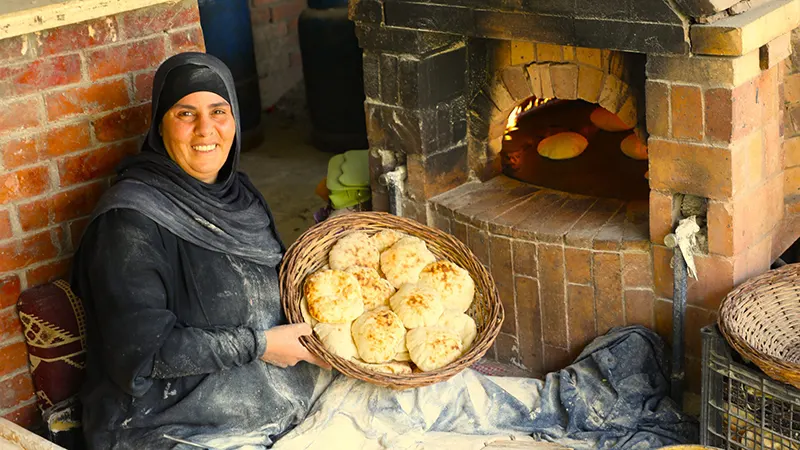
Bread has always been central to Egyptian life. In fact, the Arabic word for bread, “Aish”, also means “life.” This tradition dates back to ancient Egypt, where bread was a staple food and even used as currency.
Today, Egyptians still bake and consume bread daily, especially baladi bread, which closely resembles ancient recipes. Sharing bread remains a powerful symbol of hospitality and community.
Family Gatherings and Hospitality
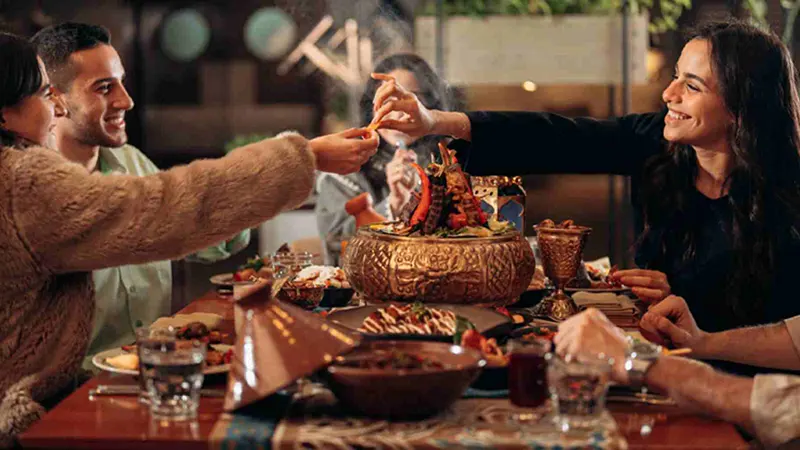
Hospitality is deeply embedded in Egyptian culture. Families regularly gather for meals, celebrations, and social visits—just as they did thousands of years ago.
Guests are always welcomed warmly, often with tea, coffee, or a full meal. This tradition reflects ancient Egyptian values of generosity and strong social bonds.
Festivals and Celebrations
Many Egyptian festivals have roots in ancient times. One of the most famous is Sham El Nessim, a spring festival celebrated since Pharaonic times.
Traditions include:
Eating salted fish (feseekh)
Coloring eggs
Spending the day outdoors
These customs have remained largely unchanged for thousands of years, making Egypt one of the few places where ancient festivals are still celebrated today.


Traditional Clothing Elements
While modern fashion dominates cities, traditional clothing like the galabeya is still widely worn in rural areas.
Loose, breathable garments were also common in ancient Egypt due to the hot climate. This continuity shows how environment and practicality have shaped Egyptian traditions across millennia.
Henna Art and Body Decoration
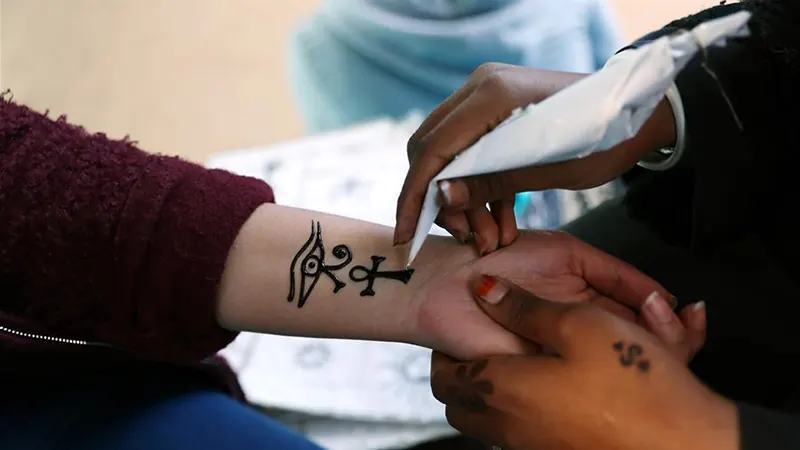
Henna has been used in Egypt since ancient times for decoration and rituals. It remains popular today, especially during weddings and celebrations.
This art form connects modern Egyptians to ancient beauty practices and symbolic traditions of joy and protection.