The Spiritual Significance of Mount Sinai
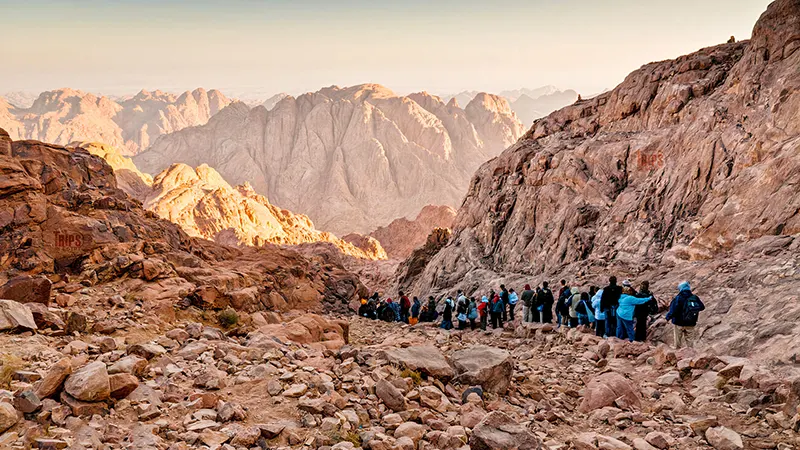
Rising dramatically from the rugged landscape of the Sinai Peninsula, Mount Sinai also known as Jebel Musa or “Mountain of Moses” holds deep spiritual significance for millions around the world. It is one of the most revered religious sites in history, symbolizing divine revelation, faith, and transformation.
A Sacred Place in Three Religions
Mount Sinai is unique in that it is sacred to the followers of three major Abrahamic religions: Judaism, Christianity, and Islam.
Judaism: According to the Torah, Mount Sinai is where the Prophet Moses received the Ten Commandments from God. This moment represents the foundation of Jewish law and identity.
Christianity: Christians revere Mount Sinai as a place of divine encounter and covenant. The story of Moses receiving the commandments is also central in the Bible.
Islam: In Islam, Mount Sinai (known as “Tur Sinai”) is mentioned in the Quran as a blessed and sacred place where Prophet Musa (Moses) spoke directly with Allah.
The Mountain of Revelation
At the heart of Mount Sinai’s spiritual importance is the idea of divine communication.
According to religious tradition, Moses ascended the mountain and encountered God in a profound and transformative way. The giving of the Ten Commandments is not just a historical event—it represents:
A moral framework for humanity
A covenant between God and His people
A moment of spiritual awakening and responsibility
This event has influenced laws, ethics, and religious thought across centuries.

A Timeless Pilgrimage Destination
For centuries, pilgrims from around the world have journeyed to Mount Sinai seeking spiritual renewal.
The Climb to the Summit
Many begin their ascent at night to reach the summit by sunrise
Two main routes: the “Steps of Repentance” and the Camel Path
The journey symbolizes inner reflection and spiritual effort
Saint Catherine's Monastery
At the foot of the mountain lies one of the oldest continuously operating Christian monasteries in the world. It is home to ancient manuscripts, icons, and the revered Burning Bush.
Symbolism and Spiritual Meaning
Mount Sinai represents more than a physical location it is a powerful spiritual symbol:
Revelation: A place where divine truth is revealed
Transformation: A journey from doubt to faith
Obedience and Law: The beginning of moral and ethical guidance
Connection: A meeting point between the human and the divine
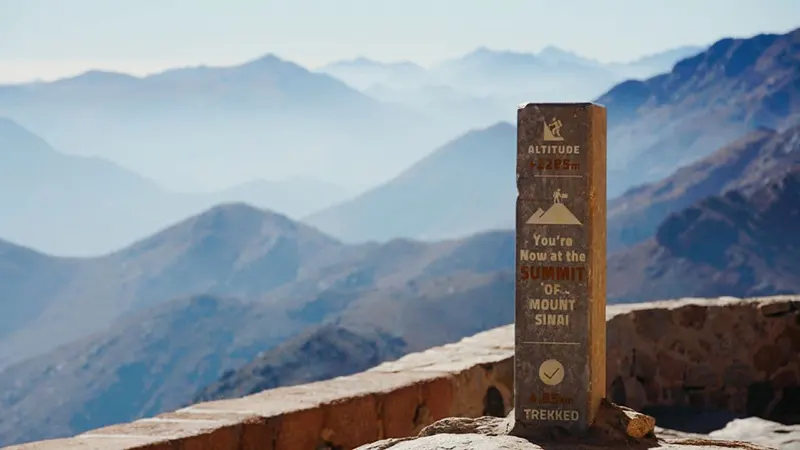
For many visitors, standing at the summit evokes a sense of peace, humility, and closeness to God.
Mount Sinai Today
Today, Mount Sinai remains a place of interfaith harmony and spiritual tourism. Travelers, pilgrims, and adventurers alike visit to:
Experience its sacred history
Witness breathtaking desert landscapes
Reflect in a place of profound silence and beauty
Whether approached from a religious perspective or as a cultural journey, Mount Sinai continues to inspire awe and reverence.