Famous Battles in Ancient Egyptian History
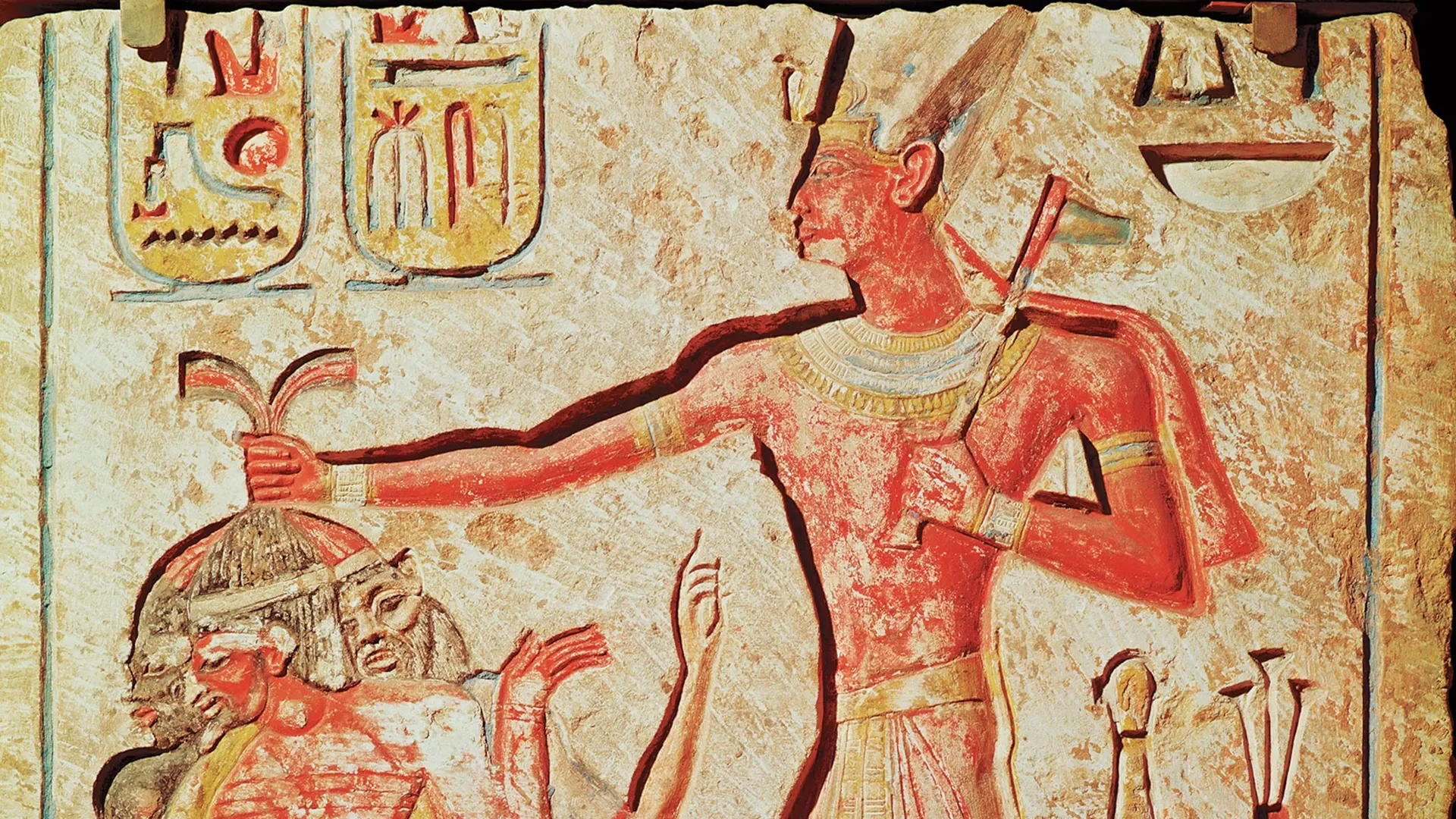
Ancient Egypt is often celebrated for its pyramids, temples, and rich cultural heritage—but behind this grandeur lies a history shaped by powerful military campaigns and decisive battles. From defending its borders to expanding its empire, Egypt’s rulers demonstrated strategic brilliance that influenced the course of history.
The Hyksos Wars: Reclaiming Egypt
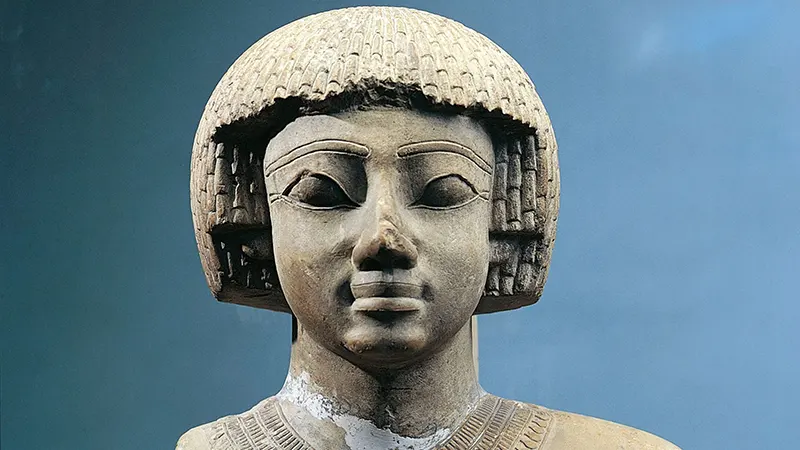
The Hyksos Wars (circa 1550 BCE) were a series of conflicts that led to the expulsion of the Hyksos rulers from northern Egypt.
Led by Ahmose I, these wars marked the beginning of the New Kingdom—the most powerful period in Egyptian history.
Key outcomes:
Introduction of new military technologies like chariots
Unification of Egypt under native rule
Rise of a strong and expansionist empire
The Battle of Megiddo
The Battle of Megiddo (circa 1457 BCE), led by Thutmose III, is considered the earliest recorded battle in history.
Facing a coalition of Canaanite city-states, Thutmose III made a bold decision—he chose a narrow and risky route through the mountains to surprise his enemies. This strategic gamble paid off, leading to a decisive Egyptian victory.
Why it mattered:
Established Egypt’s dominance in the Levant
Demonstrated advanced military planning
Marked the beginning of Egypt’s imperial expansion

The Battle of Kadesh: Clash of Superpowers
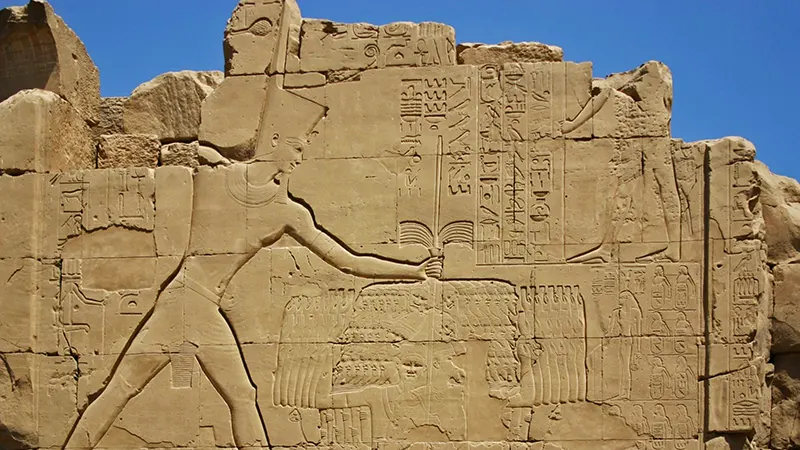
The Battle of Kadesh (circa 1274 BCE) between Ramesses II and the Hittite Empire is one of the largest chariot battles ever fought.
Despite being ambushed, Ramesses II rallied his forces and managed to avoid defeat. The battle ended in a stalemate but later led to the world’s first known peace treaty.
Highlights:
Massive scale with thousands of chariots
Early use of military propaganda
Resulted in a historic diplomatic agreement
The Battle of the Delta: Defending Egypt from the Sea Peoples
Around 1175 BCE, Ramesses III faced a major invasion by the mysterious Sea Peoples.
The battle took place in the Nile Delta and involved both land and naval combat. Ramesses III used clever tactics—luring enemy ships into narrow channels where Egyptian forces could easily defeat them.
Impact:
Prevented the collapse of Egyptian civilization
Showcased early naval warfare strategies
Marked the decline of large-scale invasions into Egypt
The Battle of Pelusium: The Persian Conquest
The Battle of Pelusium (525 BC) marked the conquest of Egypt by the Persian king Cambyses II.
According to historical accounts, Persian forces used psychological tactics—possibly involving animals sacred to Egyptians—to weaken their resistance.
Significance:
Ended Egypt’s independence for a time
Began Persian rule over Egypt
Highlighted the role of strategy beyond brute force